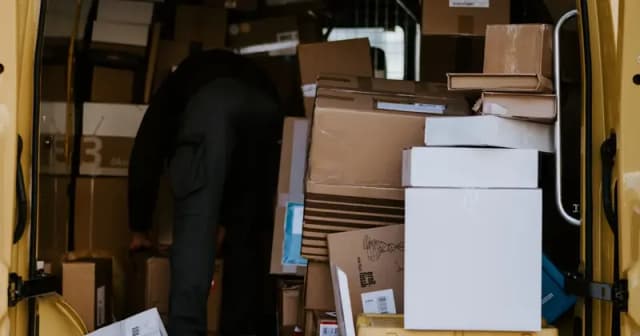
Amazon FBM Packaging Requirements: Avoid Fees and Protect Products
Poor packaging leads to damaged goods and unhappy customers. Learn Amazon FBM packaging requirements and best practices.
Why FBM Packaging Matters
In the world of Fulfilled by Merchant (FBM) shipping, unlike Fulfilled by Amazon (FBA), sellers shoulder the entire responsibility for packaging. This means ensuring products are well-protected during transit, adhering to carrier size and weight requirements, and creating a memorable unboxing experience for customers. Done right, your packaging strategy can minimize damage claims, boost customer satisfaction, and ultimately, enhance your brand reputation.
Understanding Amazon's FBM Packaging Guidelines
Amazon has set forth specific packaging guidelines for FBM sellers, which are crucial to follow if you want to maintain a good standing on the platform. At the heart of these guidelines is the necessity for packaging that can withstand the rigors of shipping. It must protect the product so it arrives undamaged and ensure that labeling is clear and visible. Misleading packaging, particularly anything that might mimic Amazon's own branding, is prohibited. It’s also vital to avoid using Amazon-branded boxes unless directly sourced from Amazon, as this can lead to confusion and potential violations. Inadequate protection not only risks the product but also your customer satisfaction ratings.
Navigating Package Sizing for FBM
Understanding the importance of package sizing is essential because carriers charge based on either actual weight or dimensional weight, opting for whichever is greater. The dimensional weight formula, which involves dividing the cubic size of the package by a factor (typically 139 for most carriers), is crucial to grasp. For instance, a box measuring 18 inches by 14 inches by 10 inches results in a dimensional weight of over 18 pounds, even if the actual weight is only 5 pounds. Hence, shipping costs are based on the 18-pound figure, making it clear why right-sizing is so critical.
Selecting the Right Packaging Materials
Choosing the right packaging materials can make a significant difference in both cost and protection. Poly mailers, bubble mailers, and corrugated boxes each serve different purposes and price points. Poly mailers are economical and ideal for clothing and soft goods, while bubble mailers offer medium protection for smaller, semi-fragile items. Corrugated boxes, with their range of sizes and strengths, are the go-to for most products due to their high protection level. For heavier or more fragile items, double-wall boxes provide an added layer of security.
Cushioning materials like air pillows, bubble wrap, and foam sheets are equally important. Each has its strengths and weaknesses; for example, air pillows are lightweight and cost-effective but can pop easily, whereas bubble wrap offers excellent protection but takes up more storage space. Packing paper, although less protective than bubble wrap, is recyclable and serves well for wrapping glassware and ceramics. Meanwhile, packing peanuts, though effective for void fill, are often messy and not environmentally friendly.
Ship smarter, not harder
Compare USPS, UPS & FedEx rates in seconds — no signup required.
Tailoring Packaging to Product Categories
Different products demand different packaging strategies. Electronics, for example, benefit from anti-static bags and foam inserts, often requiring double-boxing for high-value items. Glass and ceramics need individual wrapping and a minimum of three inches of cushioning to avoid breakage. Clothing can usually be shipped in poly mailers, but a waterproof inner bag adds a premium touch. Cosmetics and liquids should be in leak-proof containers and sealed in plastic bags, with absorbent materials to mitigate potential leaks. For heavy items, reinforced double-wall boxes with strong bottom seams are a must.
Avoiding Carrier Fees with Smart Packaging
Carrier fees can quickly erode profits if packaging isn't optimized. Oversized packages, additional handling, and irregular shapes are common fee triggers. Using the right size boxes and adhering to standard shapes can help mitigate these costs. Carriers like USPS, UPS, and FedEx have specific size and weight limits, which, if exceeded, result in hefty surcharges. Being mindful of these limits and choosing packaging that fits within them is crucial for cost-effective shipping.
Implementing a Cost-Effective Packaging Strategy
Bulk buying is an effective way to reduce packaging costs. By ordering boxes, bubble wrap, and other materials in large quantities, you can negotiate better prices and achieve significant savings. For instance, purchasing boxes in bundles of 100 or more can nearly halve the per-unit cost. Storing these materials efficiently, ideally flat, further minimizes space overheads.
When sourcing packaging, consider reputable suppliers like ULINE for a wide range of options, or EcoEnclose for eco-friendly materials. For smaller, immediate needs, Amazon Basics can be a quick solution without minimum order requirements. Additionally, the USPS offers free supplies for Priority Mail, which can be a cost-saving measure for small to medium-sized packages.
Minimizing Damage Claims and Ensuring Quality Control
Preventing damage claims starts with meticulous packaging. Photographing items before sealing, choosing the appropriate carrier for fragile goods, and insuring valuable shipments are all best practices. Tracking shipments is not just about customer service; it's essential for claims if issues arise. Documenting your packaging process, particularly for high-value items, can provide the necessary evidence if disputes occur.
A thorough quality control checklist is indispensable. Before sealing the package, confirm the correct item is included, all components are accounted for, and that the item is securely wrapped with adequate cushioning to prevent movement. Sealing with strong tape and ensuring labels are flat and readable helps maintain integrity throughout the shipping journey.
Balancing Branded and Plain Packaging
The choice between branded and plain packaging hinges on your product and brand strategy. Plain packaging is generally more cost-effective and suitable for commodity products. However, branded packaging can elevate the customer experience, increasing perceived value and encouraging repeat purchases. A hybrid approach—using plain outer boxes with branded elements inside like tissue paper or insert cards—can be a cost-effective way to build brand presence without breaking the bank.
Embracing Sustainability in Packaging
Sustainability is becoming increasingly important in consumer decisions. Options like recycled cardboard, paper tape, and biodegradable peanuts not only benefit the environment but can enhance customer perception of your brand. While some eco-friendly materials come with a cost premium, they can differentiate your offerings in a crowded market. With over half of consumers expressing a preference for eco-friendly packaging, investing in sustainable options can be a wise business move.
In conclusion, effective FBM packaging is about more than just protecting a product; it's about optimizing costs, enhancing the customer experience, and minimizing risks associated with shipping. By adopting a strategic approach to packaging and leveraging platforms like Atoship for discounted shipping rates, small business owners can significantly boost their profitability and customer satisfaction.
Compare USPS, UPS & FedEx rates instantly with atoship — no monthly fees.
Try FreeSave up to 89% on shipping labels
Compare USPS, UPS, and FedEx rates side by side. Get commercial pricing with no monthly fees, no contracts, and no markup.