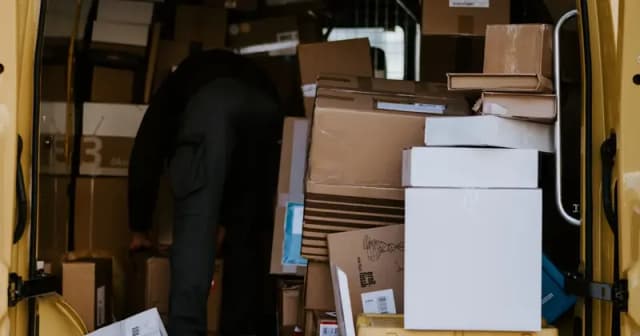
Case Study: Food Subscription Box Shipping Strategy
How a meal kit company optimized cold chain shipping for profitability.
Food Subscription Shipping Case Study
Maintaining the freshness of perishable goods while controlling costs is a significant challenge for food subscription services. This case study explores how a business with 2,500 monthly subscribers successfully tackled these hurdles.
Business Profile
This particular food subscription service ships boxes that weigh an average of 12 pounds. The company promises delivery within a 48-hour window to keep their perishable goods fresh, which presents its own set of logistical challenges. Ensuring that these deliveries are timely and intact is critical to maintaining customer satisfaction and reducing waste.
Initial Challenges
The business faced several initial challenges that impacted their costs significantly. First, expedited shipping was necessary to meet the 48-hour delivery window, adding $8 to the cost of each box. Insulation materials were another expense, contributing an additional $4 per box. Gel packs, essential for keeping products fresh, added $3 more to each shipment. Moreover, the company experienced a 5% failure rate in deliveries, leading to customer dissatisfaction and increased spoilage.
Expedited Shipping
To ensure the timely delivery of perishable goods, the business initially relied heavily on expedited shipping services. While effective in meeting delivery deadlines, this approach was costly. Each box required an additional $8 to cover these expedited shipping fees, significantly affecting the company's overall shipping budget.
Insulation and Gel Packs
The company also used premium insulation materials and gel packs to maintain product freshness. These materials added another $7 per box ($4 for insulation and $3 for gel packs). While necessary for product quality, these costs quickly accumulated, impacting the business's profit margins.
Failed Deliveries
Failed deliveries, accounting for 5% of shipments, not only caused spoilage but also led to increased customer complaints. These failures were primarily due to logistical challenges, including delivery delays and incorrect addresses, emphasizing the need for a more reliable shipping strategy.
Optimization Strategy
To address these challenges, the company implemented a strategic plan focused on three main areas: regional fulfillment, carrier mix, and packaging innovation.
1. Regional Fulfillment
The company expanded its fulfillment strategy by opening an additional warehouse on the West Coast. This move significantly reduced the average shipping zone from 6 to 3, which in turn lowered shipping costs and improved delivery speeds. By positioning inventory closer to a large segment of their customer base, the company minimized transit times and reduced the need for premium shipping services.
2. Carrier Mix
The business also re-evaluated its carrier options, optimizing for both cost and efficiency. For long-distance deliveries, they continued using FedEx 2-Day service to ensure reliability. However, for local deliveries, they partnered with regional carriers who offered competitive rates and were better equipped to handle shorter routes. This strategic mix allowed the company to cut costs without sacrificing delivery speed or reliability.
3. Packaging Innovation
Innovative packaging solutions played a crucial role in reducing costs. The company switched to recycled insulation materials, which not only cost less but also appealed to environmentally conscious consumers. Furthermore, they introduced a reusable gel pack program, encouraging customers to return gel packs for discounts on future orders. This initiative reduced gel pack costs and fostered customer loyalty by engaging them in a sustainable practice.
Ship smarter, not harder
Compare USPS, UPS & FedEx rates in seconds — no signup required.
Cost Reduction Results
The strategic changes led to remarkable cost reductions across various areas:
- Shipping Costs: Reduced from $18.50 to $12.80 per box, a savings of 31%.
- Packaging Costs: Decreased from $7.00 to $4.50 per box, resulting in a 36% reduction.
- Spoilage: Dropped from 5% to 1.5%, representing a 70% improvement and significantly decreasing waste.
Monthly Impact
With these optimizations, the company saved $8.40 per box, translating to a monthly savings of $21,000 for their 2,500 shipments. Annually, this amounts to a substantial savings of $252,000, providing the business with resources to reinvest in growth and customer satisfaction.
For businesses looking to optimize their subscription shipping, tools like Atoship can provide valuable insights and solutions tailored to your specific needs, helping you achieve similar successes in cost reduction and efficiency.
This case study highlights the importance of strategic planning and innovation in the shipping process. By addressing logistical challenges and implementing cost-effective solutions, businesses can maintain product quality, enhance customer satisfaction, and improve their bottom line.
Compare USPS, UPS & FedEx rates instantly with atoship — no monthly fees.
Try FreeSave up to 89% on shipping labels
Compare USPS, UPS, and FedEx rates side by side. Get commercial pricing with no monthly fees, no contracts, and no markup.