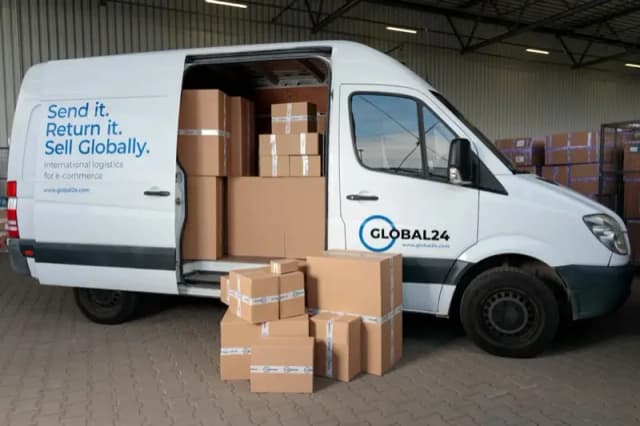
Carrier Pickup Scheduling Optimization
Optimize carrier pickup schedules for efficiency and cost.
Carrier Pickup Optimization
Optimizing carrier pickups is a crucial strategy for small business owners looking to streamline shipping operations and reduce costs. By understanding the various pickup options available and implementing effective strategies, businesses can ensure timely deliveries while keeping expenses in check.
Pickup Options
Choosing the right pickup option depends on your business's shipping volume and specific needs. Here's a detailed breakdown of the common options:
- Daily Scheduled Pickup: Ideal for businesses with high shipping volumes, daily scheduled pickups provide a convenient and predictable solution. With this option, a carrier arrives at your location at a set time each day. This regularity can lead to better planning and efficiency in warehouse operations, ensuring packages are consistently dispatched without delay.
- On-Demand Pickup: This flexible option suits businesses with variable shipping volumes. You can schedule pickups as needed, without committing to a daily schedule. While on-demand pickups may incur higher per-pickup costs, they offer the advantage of adaptability, allowing you to respond swiftly to fluctuating order volumes.
- Drop-Off Service: Best for low-volume shippers, drop-off services require you to take packages to a carrier's location. Although it involves time and effort, it's cost-effective since there are no pickup fees. This method is perfect for startups or businesses with sporadic shipping needs.
- Smart Locker Pickup: For businesses with very low shipping volumes, smart locker pickups provide an innovative, self-service solution. You drop off parcels at a designated locker, from where the carrier collects them. It's an efficient way to handle occasional shipments without scheduling formal pickups.
Cost Comparison
Understanding the cost implications of each pickup method is vital for making budget-conscious decisions:
- Scheduled Pickup: Typically costs range from $5 to $15 per day. Although it involves a daily charge, the predictability and efficiency gained can justify the expense, especially for high-volume shippers.
- On-Demand Pickup: Costs can vary between $5 and $25 per pickup. This method is more expensive per instance but allows for greater flexibility. It's beneficial for businesses that experience sudden spikes in shipping needs or those that prefer not to commit to daily schedules.
- Drop-Off Service: This option is free apart from the time invested in transporting packages to the carrier. It eliminates pickup fees, making it an attractive choice for businesses with limited shipping budgets or those located conveniently near carrier drop-off points.
Timing Strategy
Optimizing pickup timing can significantly enhance operational efficiency:
- Under 5 Packages per Day: For very low volumes, a drop-off service is usually the most practical and cost-effective option. You can plan trips to the carrier's location around other errands, minimizing time wastage.
- 5 to 20 Packages per Day: A single scheduled pickup each day can streamline operations without overburdening staff. This balance ensures timely shipping without the need for constant trips to drop-off points.
- 20 to 50 Packages per Day: As volume increases, consider optimizing pickup times to align with your shipping schedule. This might involve adjusting the carrier's pickup time to ensure all orders are processed and ready for dispatch, avoiding delays.
- 50+ Packages per Day: For very high volumes, multiple pickups may be necessary. This approach prevents backlog and ensures a continuous flow of shipments, essential for maintaining high levels of customer satisfaction.
Ship smarter, not harder
Compare USPS, UPS & FedEx rates in seconds — no signup required.
Multi-Carrier Approach
Leveraging multiple carriers can offer strategic advantages:
- Consolidate Pickups: By coordinating pickups across different carriers, you can reduce interruptions and streamline operations. This strategy ensures that all shipments are ready for collection at the same time, minimizing disruption to daily activities.
- Time-Based Carrier Selection: Choose carriers based on their cutoff times to optimize delivery speed. Aligning carrier schedules with your business operations can lead to quicker dispatches and improved delivery times.
- Alternate Days for Different Carriers: Implementing a schedule where different carriers pick up on alternate days can reduce costs. This strategy allows you to take advantage of each carrier's strengths and pricing, ensuring cost-effective shipping solutions.
To learn more about how you can schedule pickups efficiently and explore tailored solutions, visit atoship.com. Atoship offers comprehensive tools and tips to help you streamline your shipping process, ensuring that your business runs smoothly and cost-effectively.
Compare USPS, UPS & FedEx rates instantly with atoship — no monthly fees.
Try FreeSave up to 89% on shipping labels
Compare USPS, UPS, and FedEx rates side by side. Get commercial pricing with no monthly fees, no contracts, and no markup.